Wildlife Safari · Private · All Inclusive

Ranthambore is one of the greatest wildlife experiences on earth — a landscape of ancient forests, still lakes, and crumbling Mughal ruins where the Bengal tiger has ruled for centuries. This private safari puts you inside the core zones of the park at first light, guided by a licensed expert who reads the jungle with the precision of a field naturalist. Includes 10 Complimentary Premium Edited Photographs.

Book via WhatsApp

Instant reply · Private jeep safari · Hotel pickup · 10 Complimentary Premium Edited Photographs
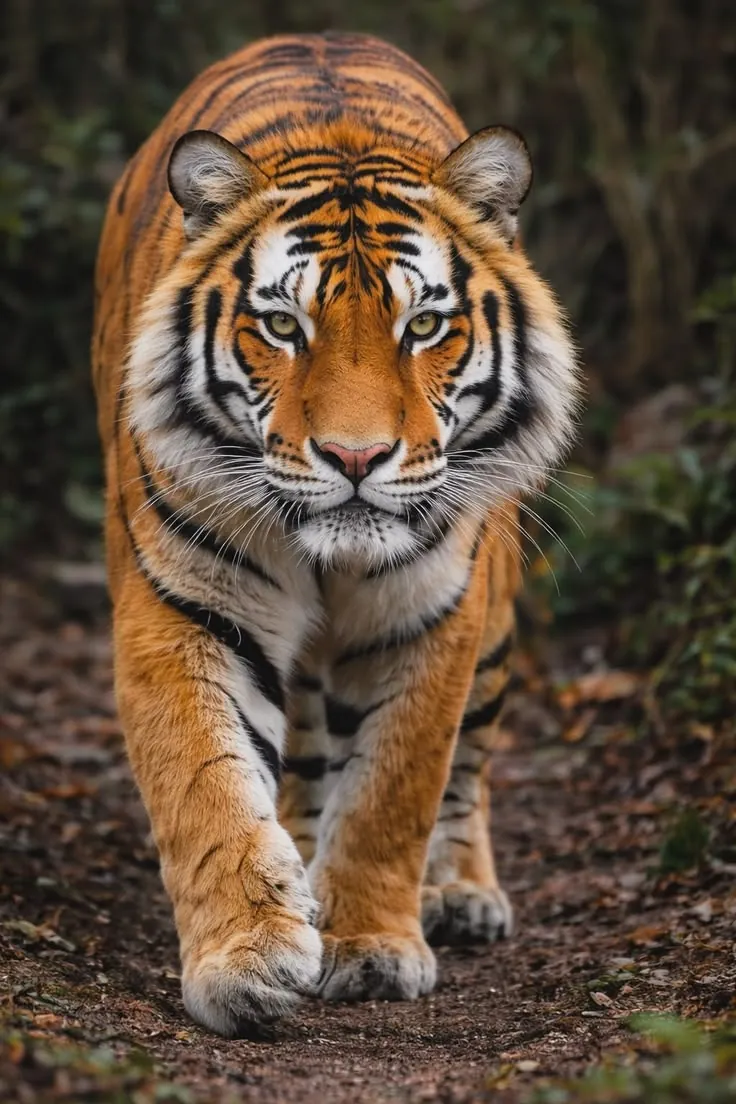
A Bengal tiger walking towards the camera in Ranthambore
All Inclusive
  • Private Jeep Safari — Zones 3 & 4
  • Park & Safari Permits
  • 10 Edited Photographs
  • AC Transportation
  • Licensed Naturalist Guide
🐇
Tiger TerritoryZones 3 & 4 — Core Area
🚗
Private Jeep6-seat exclusive vehicle
📷
10 Edited PhotosPremium post-production
🏭
Ranthambore FortUNESCO World Heritage
🧭
Licensed GuidePan-India IITG certified

Into the Tiger’s Forest

Ranthambore covers 1,334 square kilometres of dry deciduous forest, open grassland, and volcanic ridgeline — one of India’s most biodiverse national parks and the site of Project Tiger’s most celebrated conservation success. Every hour inside the forest is different. This itinerary is designed to give you as much of it as possible.

01
Pre-Dawn · 5:00 AM
Hotel Pickup — Sawai Madhopur or Jaipur
Your private, air-conditioned vehicle arrives at your hotel well before sunrise. Guests staying in Sawai Madhopur — the town adjacent to the park — depart at 5:00 AM to reach the forest gate precisely as it opens. Guests travelling from Jaipur depart at 4:00 AM for the approximately two-and-a-half-hour drive through the pre-dawn Rajasthani countryside. En route, Kamran will brief you on the day’s safari zones, the current known positions of Ranthambore’s tiger population, the behavioural patterns to watch for at this hour, and the full cast of wildlife the forest may reveal beyond the tiger: leopard, sloth bear, gharial, marsh crocodile, sambar, nilgai, chital, and over 300 species of resident and migratory bird. The briefing transforms the drive into the first act of the safari.
Private Pickup · Sawai Madhopur or Jaipur
02
Sunrise · 6:00 AM
Forest Gate Entry & Zone Allocation
We arrive at the designated forest gate at first light — the single most important timing of the entire day. The Bengal tiger is a crepuscular hunter: most active at dawn and in the early morning hours when temperature is low and prey animals move toward water. Entry at gate opening is therefore not a preference but a strategy. The forest gate procedure involves permit verification, vehicle inspection, and guide registration with the Forest Department. Your safari jeep — a dedicated open-top six-seat vehicle driven by a trained park driver alongside Kamran — will enter its designated zone (typically Zone 3 or Zone 4, Ranthambore’s most productive tiger territories) immediately as the gates open. The quality of light inside the forest at this moment is extraordinary for photography — golden, low-angled, filtering through the dry teak canopy above the red-earth tracks.
Permit Included · Zone 3 or 4 — Core Tiger Territory
03
Early Morning · 6:00 – 9:30 AM
Morning Safari — Active Tiger Zones
The morning safari session is the apex of the entire experience. The jeep moves slowly and purposefully through the designated zone, following established game tracks while Kamran and the driver read the forest for sign: alarm calls from langur monkeys and spotted deer that signal a predator nearby, pug marks pressed into the red earth beside water bodies, territorial scrapes and scent markings on trees, the body language of sambar deer at the lake edges, and the flight patterns of birdlife disturbed from the canopy above. Zone 3 encompasses the lakes of Rajbagh, Padam, and Malik — Ranthambore’s famous open-water settings where tigers have been photographed drinking and hunting along the banks for decades. Zone 4 holds the ruins of the Ranthambore Fort and the dense forest corridors where tigers move between territories. Kamran will explain what you are seeing in real time — ecology, predator-prey dynamics, territorial behaviour, and the extraordinary story of how Project Tiger transformed Ranthambore from a maharaja hunting ground into one of Asia’s great wildlife sanctuaries. 10 complimentary premium edited photographs are captured during the safari and delivered digitally within 5–7 business days.
10 Edited Photos Included · Tiger & Wildlife Session
04
Morning · Zone Lakes · 7:00 – 8:30 AM
Padam & Rajbagh Lakes — Wildlife at Water
The lakes of Ranthambore are the beating heart of the park’s wildlife activity. The three interconnected lakes — Padam, Rajbagh, and Malik — sit within Zone 3 and are fed by the Chambal river system, maintaining water year-round. They are the primary drinking source for every large mammal in the southern zones, which makes the lakeshores the most predictable and rewarding wildlife-watching positions in the entire park. At this hour, the light is still low and golden. Sambar deer wade chest-deep in the shallows. Marsh crocodiles lie motionless on sandbanks, their prehistoric outlines perfectly still. Gharial, the critically endangered fish-eating crocodilian, may be seen on the Malik Lake mudflats. Painted storks, woolly-necked storks, Indian darters, egrets, and kingfishers work the water’s edges. And on the lake banks — sometimes emerging from the treeline for a morning drink with a composure that suggests they own the world, because they do — the tigers of Ranthambore. Kamran positions the jeep for the optimal sightline and photography angle and holds position in silence while the forest does what the forest does.
Prime Tiger Habitat · Crocodile & Birdlife
05
Mid-Morning · 8:30 – 9:30 AM
Forest Interiors — Dry Deciduous Zone
As the sun climbs and the lakeshore activity begins to slow, the safari moves deeper into the dry deciduous forest interior — the secondary habitat that runs between the water bodies and the rocky ridgelines. This is leopard country: the forest understorey here is thick with dhok trees (Anogeissus pendula), the dominant tree species of Ranthambore that gives the park its characteristic grey-green winter silhouette and golden-orange autumn colour. Sloth bears are often encountered in this zone, moving between rocky outcrops in search of termites and wild berries. The Indian porcupine, striped hyena, and jungle cat are nocturnal but their day-resting positions are often betrayed by the alarm signals of birds. Kamran will explain the vegetation ecology of dry deciduous forest — its seasonal rhythms, how it dictates the movement of wildlife through the park, and what different bird alarm calls mean in real time. The information transforms passive observation into active, participatory naturalism.
Leopard Territory · Sloth Bear Habitat
06
Late Morning · 9:30 AM
Safari Exit & Naturalist Debrief
The morning safari session ends as the forest gate closes at approximately 9:30–10:00 AM — the point at which the temperature has risen sufficiently to send most wildlife into shade for the middle hours of the day. On exit, Kamran conducts a full naturalist debrief: a review of every sighting from the session, identification of any species seen, context for animal behaviour observed, and answers to the questions the forest raised. For guests who have been photographing, this is also the moment to review shots together, discuss compositions, and identify which images from the session will form part of the 10 premium edited photographs included in the package. Guests who wish to book an afternoon safari (the second permitted window, typically 2:30–6:00 PM, with a separate optional fee) can arrange this directly at the Forest Department office with Kamran’s assistance.
Naturalist Debrief · Photo Review Session
07
Midday · 10:30 AM
Ranthambore Fort — The 10th-Century Citadel
One of the most dramatic and least-visited UNESCO World Heritage Sites in India, Ranthambore Fort rises from a steep rocky outcrop above the forest canopy at an elevation of 481 metres — visible from within the safari zone but accessible only by the road that ascends from Sawai Madhopur. The fort’s history spans over a thousand years: founded in 944 CE by the Chahamana dynasty, it passed successively through Rajput, Delhi Sultanate, and Mughal hands across eight centuries of siege, conquest, and occupation. Inside its walls stand three Hindu temples — the Ganesh temple at the fort’s highest point is one of the most sacred Ganesha shrines in all of Rajasthan, receiving letters addressed simply to “Shree Ganesh, Ranthambore” from devotees across India — and the ruins of palaces, tanks, mosques, and storehouses that accumulated across ten centuries of continuous habitation. The view from the ramparts across the forest below, with the lakes glinting in the midday light and the Aravalli ridgelines extending to the horizon, is one of the most extraordinary in Rajasthan. Kamran will give you the full history of the fort’s sieges — including the 1301 jauhar (mass self-immolation) performed by the Rajput women of the garrison when Alauddin Khilji’s forces finally breached the walls — and explain how the fort’s position within the national park boundary has acted as an inadvertent wildlife corridor, sheltering wildlife under its ancient walls.
UNESCO Heritage · 1,000 Years of History
08
Afternoon · 12:30 PM
Lunch — Sawai Madhopur
A well-earned pause at a carefully chosen premium local restaurant in Sawai Madhopur — the market town immediately outside the park gates that has grown up entirely around Ranthambore tourism over the past four decades. Kamran will recommend a venue offering authentic Rajasthani cuisine: laal maas (the legendary fiery Rajasthani lamb curry, cooked in mustard oil with mathania red chillies), dal baati churma, ker sangri, and freshly baked bajra rotis. The meal is also a natural opportunity to review photographs from the morning, discuss the sightings in detail, and decide whether an afternoon safari session (optional, separately bookable) is desired. Note: all food and beverage costs are payable directly at the restaurant and are not included in the package price.
Lunch Not Included · Authentic Rajasthani Cuisine
09
Afternoon · 2:30 – 6:00 PM (Optional)
Afternoon Safari Session — Optional Second Entry
Ranthambore permits two safari sessions per day: the morning session (which is included in this package) and an afternoon session, typically running from 2:30 PM to 6:00 PM, which can be booked optionally on the day at the Forest Department counter with Kamran’s assistance. The afternoon session has its own distinct character: the harsh midday light has softened into warm amber, the forest has quietened during the midday heat, and the wildlife begins to stir again as the temperature drops toward evening. Tigers are occasionally seen returning to water bodies in the late afternoon. The quality of photographic light in the hour before the gates close at sunset is exceptional — long shadows, warm tones, and wildlife silhouetted against the sky. For serious wildlife photographers or travellers who wish to maximise their chances of a tiger sighting, the afternoon session is strongly recommended. Permit fee is payable separately at the Forest Department office.
Optional · Separate Permit Fee Payable on Day
10
Evening · 6:30 PM
Drop-off & Photo Delivery
Your private AC vehicle returns you safely to your Sawai Madhopur hotel, or begins the drive back to Jaipur arriving approximately 9:00–9:30 PM. Within 5–7 business days, your 10 complimentary premium edited photographs will be delivered digitally — professionally processed, colour-corrected, and resolution-optimised images of Ranthambore’s wildlife, landscape, and light. Whether or not a tiger was sighted on the day, the forest of Ranthambore will have given you something rare and permanent: the experience of moving through an ecosystem that operates entirely on its own terms, indifferent to human presence, ancient beyond reckoning, and more alive than almost anywhere else on earth.
Hotel or Jaipur Drop-off · Photos Delivered in 5–7 Days

Inclusions & Exclusions

✅ Package Inclusions

  • 10 Complimentary Premium Edited Photographs: Professionally processed, colour-corrected, and optimised wildlife and landscape images from the safari, delivered digitally within 5–7 business days.
  • Morning Safari — Zone 3 or 4 Jeep Permit: Full morning safari jeep entry permit for Ranthambore National Park core zones 3 or 4, the park’s most productive tiger territories. Permit and booking handled entirely by Kamran.
  • Private Open-Top Safari Jeep: Exclusive six-seat open-top safari vehicle with a trained park driver for the full morning safari session. No shared vehicles.
  • Private AC Road Transfer: Full-day private air-conditioned transportation for hotel pickup and drop-off, covering Sawai Madhopur or Jaipur as selected.
  • Ranthambore Fort Visit: Guided visit to the UNESCO World Heritage Ranthambore Fort including the Ganesh Temple, palace ruins, and panoramic forest rampart views.
  • Naturalist Briefing & Debrief: Pre-safari specialist briefing on tiger behaviour, ecology, and current park conditions. Full post-safari debrief with species identification and behaviour context.
  • Government Licensed Expert Guide: Full-day service by Kamran Khan in English and Spanish. Pan-India IITG licence. Naturalist knowledge and wildlife photography guidance throughout.
  • Water & Refreshments: Bottled water provided throughout the day including inside the safari jeep.

✕ Package Exclusions

  • Afternoon Safari Session (Optional): The afternoon safari (approx. 2:30–6:00 PM) is an optional add-on with a separate permit fee payable directly at the Forest Department office on the day. Kamran can assist with the booking.
  • Lunch & All Meals: All food and beverage costs are not included. Kamran will recommend a premium local restaurant in Sawai Madhopur; you pay directly.
  • Additional Edited Photographs: The package includes 10 complimentary premium edited photographs. Additional images beyond the complimentary 10 are available for purchase.
  • Accommodation in Sawai Madhopur: Hotel accommodation is not included. Staying overnight in Sawai Madhopur is strongly recommended to access the early morning gate opening. Kamran can recommend properties at every price point.
  • Gratuities & Tips: Optional and entirely at your discretion for the driver, the park jeep driver, and the guide.
  • Personal Expenses: Wildlife guidebooks, souvenirs, or any activities not listed in the itinerary.
  • Tiger Sighting Guarantee: Wildlife encounters cannot be guaranteed by their nature. Ranthambore has one of the highest tiger sighting rates of any national park in India — typically 60–80% per safari — but the forest operates on its own terms. What is guaranteed is the full expertise, positioning, and local knowledge to maximise every probability.

What Makes This Different

01
Core Zone Access — Not the Buffer
Ranthambore has ten zones. Only Zones 1–5 are core zones with established tiger territories and water bodies. Budget tours use the cheaper outer buffer zones. This itinerary enters Zone 3 or Zone 4 — the park’s highest-probability tiger habitat, with the famous lakes at its centre.
02
Private Jeep — Never Shared
Most Ranthambore safaris are shared canter vehicles carrying up to 20 strangers. A private jeep carries only your group — giving the driver the freedom to stop, reposition, and hold position for photography without negotiating with 19 other people.
03
10 Premium Edited Photos Included
Wildlife photography requires fast reactions, knowledge of animal behaviour, and an understanding of light in forest conditions. Ten professionally edited images from the safari are delivered digitally within 5–7 days — a permanent record of the forest, the light, and whatever the morning revealed.
04
The Fort Most Tours Skip
Ranthambore Fort is a UNESCO World Heritage Site of extraordinary historical significance — a thousand years of Rajput, Sultanate, and Mughal history in a single structure above the forest. Most safari-only tours leave immediately after the gate exit. This one stays for the fort.
05
Bilingual Naturalist Guide
Kamran speaks fluent English and Spanish — a rare combination at Ranthambore. Spanish-speaking travellers experience the full depth of the park’s ecology, history, and wildlife entirely in their own language, with the precision that only a bilingual expert can provide.
06
500+ Five-Star Reviews
Verified reviews on Viator, GetYourGuide, and Airbnb from travellers across 40+ nationalities — all five stars. Read them before you book.

Practical Details

Duration
Full Day — Approx. 10–12 Hours
5:00 AM – 6:30 PM from Sawai Madhopur. 4:00 AM – 9:30 PM if departing from Jaipur. Morning safari: 6:00 AM – 9:30 AM. Times shift slightly by season as gate hours follow sunrise and sunset.
Group Size
1 to 6 Persons
Private jeep capacity is 6 passengers. Entirely private — no shared vehicles. Larger groups can book multiple jeeps on request.
Languages
English & Spanish
Hindi and Urdu also available.
Best Season
October to June
The park is closed during the monsoon season (approximately 1 July – 30 September) when the forest gates shut and tigers are not visible. The optimal windows are October–March (cooler, lush post-monsoon forest, high wildlife activity) and April–June (hot, dry conditions concentrate wildlife around shrinking water bodies — highest tiger sighting probability of the year).
Availability
Oct–Jun · 7 Days a Week
Safari permits must be booked at least 48–72 hours in advance during peak season (November–March and April–June). Contact Kamran via WhatsApp as early as possible to secure Zone 3 or 4 permits.
Meeting Point
Hotel Pickup — Sawai Madhopur or Jaipur
Share your hotel address via WhatsApp — we arrange the rest. Sawai Madhopur railway station pickup also available. Staying overnight in Sawai Madhopur is strongly recommended for the earliest possible gate access.
Photo Delivery
10 Edited Photos — 5 to 7 Business Days
Delivered digitally via WeTransfer or Google Drive link. High-resolution files suitable for large-format print.
What to Wear
Neutral, earthy tones — no bright colours
Wildlife protocol requires muted, camouflage-compatible clothing inside the park. Khaki, olive, brown, grey, and dark green are ideal. Avoid white, red, bright blue, or any fluorescent or reflective materials — bright colours startle wildlife and reduce sighting probability. Closed shoes are required — no open sandals inside the jeep or on the forest tracks. A warm layer is essential for the pre-dawn departure and early morning safari in winter months (November–February), when Ranthambore temperatures can drop to 5–8°C before dawn. A light scarf or buff is useful for dust on forest tracks. A hat or cap protects from the sun during later morning and afternoon sessions.
What to Bring
Essential Items for the Safari
Camera & Telephoto Lens (Critical): A telephoto or zoom lens of at least 200mm is strongly recommended — ideally 300mm, 400mm, or 500mm — for wildlife photography at Ranthambore. Tigers, leopards, and other large mammals are frequently encountered at distances of 30–100 metres across open water or through forest. A wide-angle lens will not resolve subject detail at these distances. If you do not own a telephoto lens, a superzoom bridge camera (such as the Canon SX series or Nikon Coolpix P-series) is an effective and affordable alternative. Smartphones alone are not recommended as the primary camera for this tour. Extra memory cards and a minimum of two fully charged batteries are essential — cold morning temperatures reduce battery life rapidly.

Binoculars: A pair of quality binoculars (8x42 or 10x42 magnification) dramatically enhances the safari experience. Birds, distant mammals, territorial behaviour at the lake edges, and the details of the fort from the forest floor are all transformed by binoculars. If you do not own a pair, compact 8x25 travel binoculars are available inexpensively and fold to pocket size.

Warm Layers (November–February): The open-top jeep at 6:00 AM in Ranthambore winter is extremely cold — significantly colder than expected. A fleece or down jacket, thermal underlayer, and a warm hat and gloves are essential between November and February. The cold fades by approximately 9:00 AM but the first three hours of the safari are the most critical for wildlife activity and therefore cannot be sacrificed to inadequate preparation.

Sun Protection (March–June): In the hot season, Ranthambore temperatures reach 40–44°C by midday. High-factor SPF sunscreen, UV-protective sunglasses, and a wide-brimmed hat or cap are essential. Apply sunscreen before entering the jeep, as reapplication is difficult while the vehicle is moving on forest tracks.

Dust Cover for Camera Gear: Ranthambore’s dry-season tracks produce significant red laterite dust that infiltrates camera bags and equipment. A dry bag, rain cover, or a simple plastic bag for camera protection inside the jeep is strongly recommended between March and June and after unseasonal dry spells.

Personal Insect Repellent: DEET-based or natural insect repellent for exposed skin. Mosquitoes are active particularly around the lake edges at dawn and dusk. Apply before the safari departs and carry for reapplication.

Wildlife Field Guide (Optional but Valuable): A pocket guide to Indian mammals or birds of Rajasthan enriches the safari debrief and the fort visit. Kamran can recommend specific titles via WhatsApp before your arrival if desired.

Cash (INR): Small amounts of Indian Rupees for optional afternoon safari permits (payable at the Forest Department), tips for the park jeep driver, and any personal purchases in Sawai Madhopur’s markets after the safari.
Reserve Your Safari
Ranthambore Wildlife Safari
  • Morning safari — Zone 3 or 4 permit included
  • Private open-top jeep — 6 seats, no sharing
  • Private AC vehicle — hotel pickup & drop-off
  • Ranthambore Fort guided visit
  • Pre-safari naturalist briefing & debrief
  • 10 complimentary premium edited photographs
  • Government-licensed bilingual guide
Book via WhatsApp ← Back to Main Website
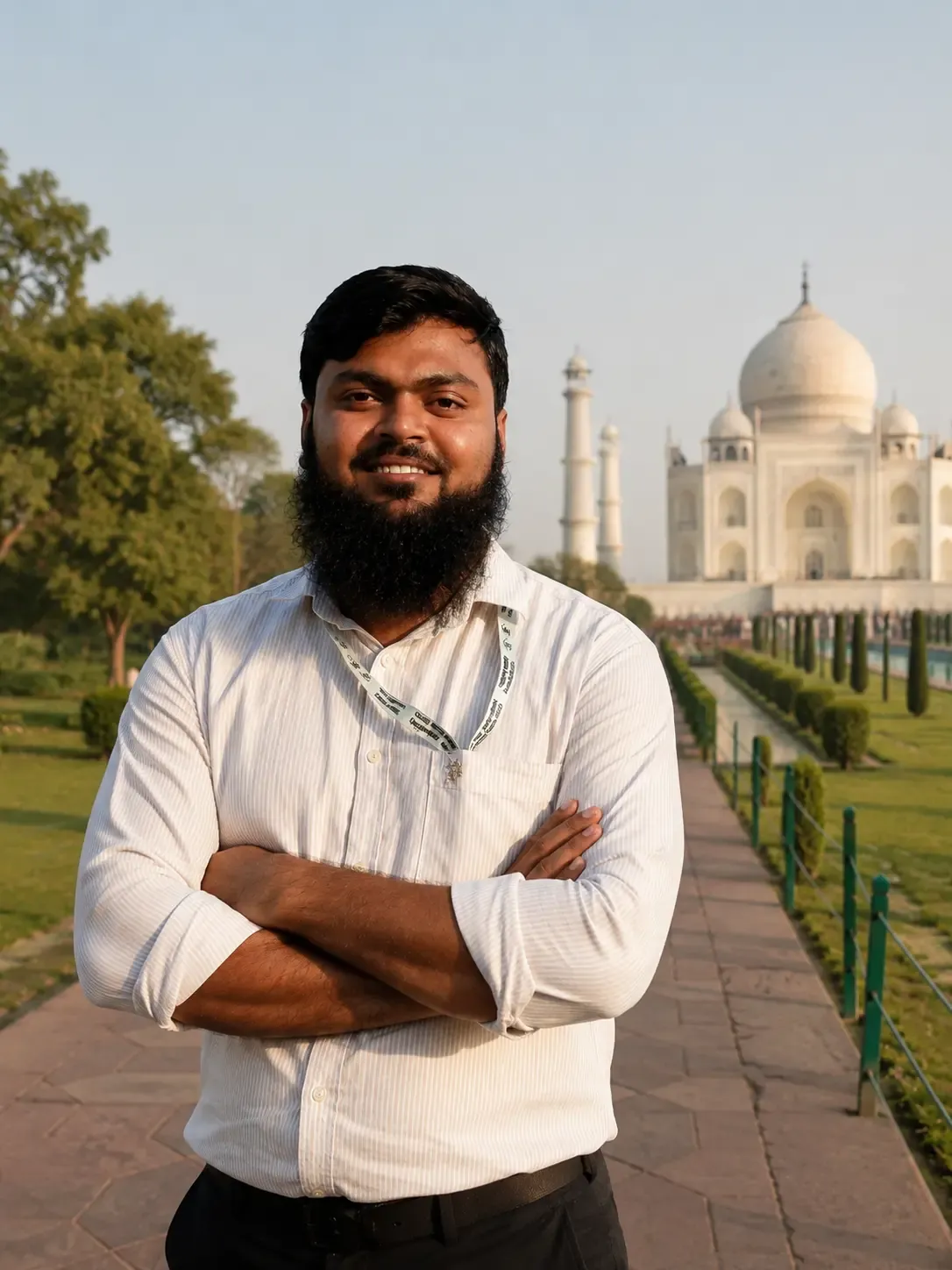
Kamran Khan, government-licensed tour guide, standing in front of the Taj Mahal
IITG Govt. Licensed

Kamran Khan

I have been inside Ranthambore National Park well over three hundred times. The forest never repeats itself. I have sat with a jeep engine cut at the edge of Padam Lake at 6:15 AM and watched a tiger walk into the water twenty metres away and drink for four uninterrupted minutes. I have also done that same drive and seen nothing but forest — and come away feeling just as privileged, because the forest itself is worth the journey regardless of what it reveals. Ranthambore teaches humility. That is what a wilderness is for.

I hold a Government Pan-India IITG licence — the highest certification in Indian tourism. For over a decade I have guided travellers from more than 40 nationalities through Ranthambore, Rajasthan, and the wider subcontinent. My approach to the safari is naturalist-led: understanding what you are seeing, why the forest works the way it does, and how to read the signals the jungle sends is the foundation of every safari I run.

The tiger does not perform for cameras. It simply exists — ancient, indifferent, and magnificent. My job is to put you as close to that existence as the forest will allow.

English Español हिन्दी اردو

What Travellers Say

★★★★★

"We saw a tigress with two cubs at Rajbagh Lake at 7:00 AM. I have been on safari in Africa three times and this was on a completely different level of intimacy — the forest, the ruins of the fort behind us, and a tiger family in the water twenty metres from our jeep. Kamran knew exactly where to position us and held the vehicle in silence for forty minutes while she hunted. The photographs he edited for us are extraordinary."

David & Sarah Australia · Viator
★★★★★

"Kamran’s knowledge of the forest is extraordinary — he identified every bird by call, explained the predator-prey dynamics at each lake, and told us the full history of the fort as though he had lived there himself. We did not see a tiger on the morning safari but we were not disappointed for a single second. The forest is the experience. He made us understand that."

Carlos & Elena Spain · GetYourGuide
★★★★★

"The private jeep made an enormous difference. Every shared canter we saw was a mass of cameras and elbows — ours was just four of us, completely silent, positioned exactly where Kamran wanted us. He booked Zone 4 and we found the resident male in the ruins below the fort at 7:45 AM. I have been trying to describe the sound of a tiger walking through dry leaves at twenty metres to people ever since."

James T. United Kingdom · Airbnb Experiences

Verified reviews on

Viator ★★★★★ 300+ Reviews
GetYourGuide ★★★★★ 150+ Reviews
Airbnb ★★★★★ 80+ Reviews
TripAdvisor ★★★★★ 40+ Nationalities