Full Day · Private · Dal Lake · Mughal Gardens & Living Craft Traditions
Día Completo · Privado · Lago Dal · Jardines Mogoles y Tradiciones Artesanales Vivas

Kashmir
The
Paradise

Cachemira
La
Fuga al Paraíso

The Mughal Emperor Jahangir, who spent sixteen seasons in Kashmir over the course of his reign, wrote in his memoirs: “If there is paradise on earth, it is here, it is here, it is here.” He was not speaking metaphorically. The Zabarwan Mountains rise straight from Dal Lake’s surface. The chinar trees turn crimson and gold in autumn. The houseboats — Victorian teak palaces moored on a Himalayan lake — have hosted kings, viceroys, and Bollywood stars for 130 years. And beneath all of it, a craft tradition of papier-mâché, hand-knotted carpet, and pashmina weaving that has no equal in the world. This private full-day escape moves through every layer — lake, garden, shrine, atelier, and bazaar — guided in English and Spanish by a licensed expert who knows exactly why every emperor who ever saw this valley refused to leave it.

El emperador mogol Jahangir, que pasó dieciséis temporadas en Cachemira a lo largo de su reinado, escribió en sus memorias: “Si hay un paraíso en la tierra, es aquí, es aquí, es aquí.” No hablaba metafóricamente. Las montañas Zabarwan se elevan directamente desde la superficie del lago Dal. Los árboles chinar se vuelven carmesí y dorados en otoño. Las casas flotantes — palacios victorianos de teca amarrados en un lago himalayo — han acogido a reyes, virreyes y estrellas de Bollywood durante 130 años. Y bajo todo ello, una tradición artesanal de papel maché, alfombras anudadas a mano y tejido de pashmina sin igual en el mundo. Esta escapada privada de un día completo recorre cada capa — lago, jardín, santuario, atelier y bazar — guiada en inglés y español por un experto con licencia oficial que sabe exactamente por qué todos los emperadores que vieron este valle se negaron a abandonarlo.

Book via WhatsApp Reservar por WhatsApp

Instant reply · Private tour · Hotel pickup · Shikara ride on Dal Lake included
Respuesta inmediata · Tour privado · Recogida en hotel · Paseo en shikara por el lago Dal incluido

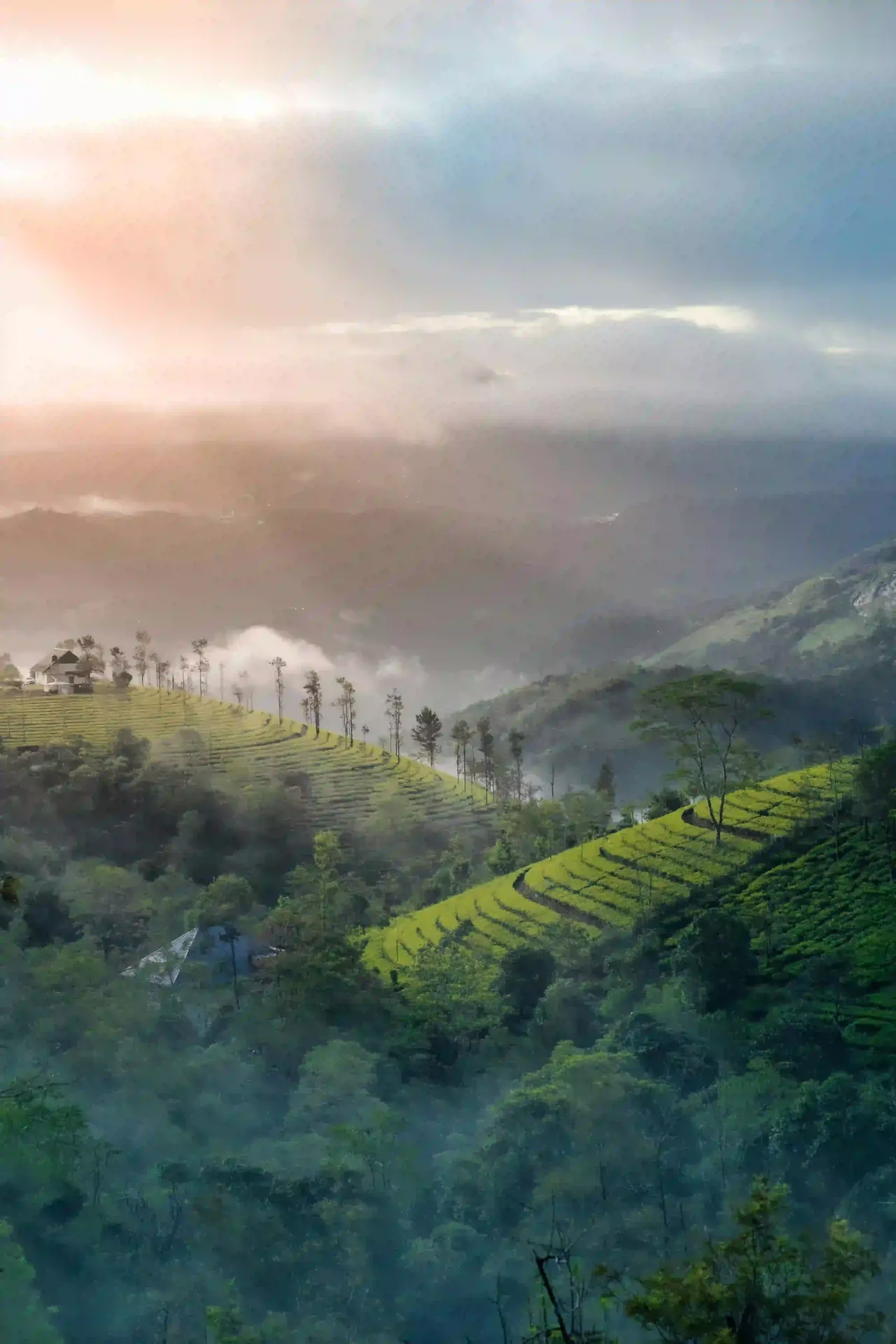
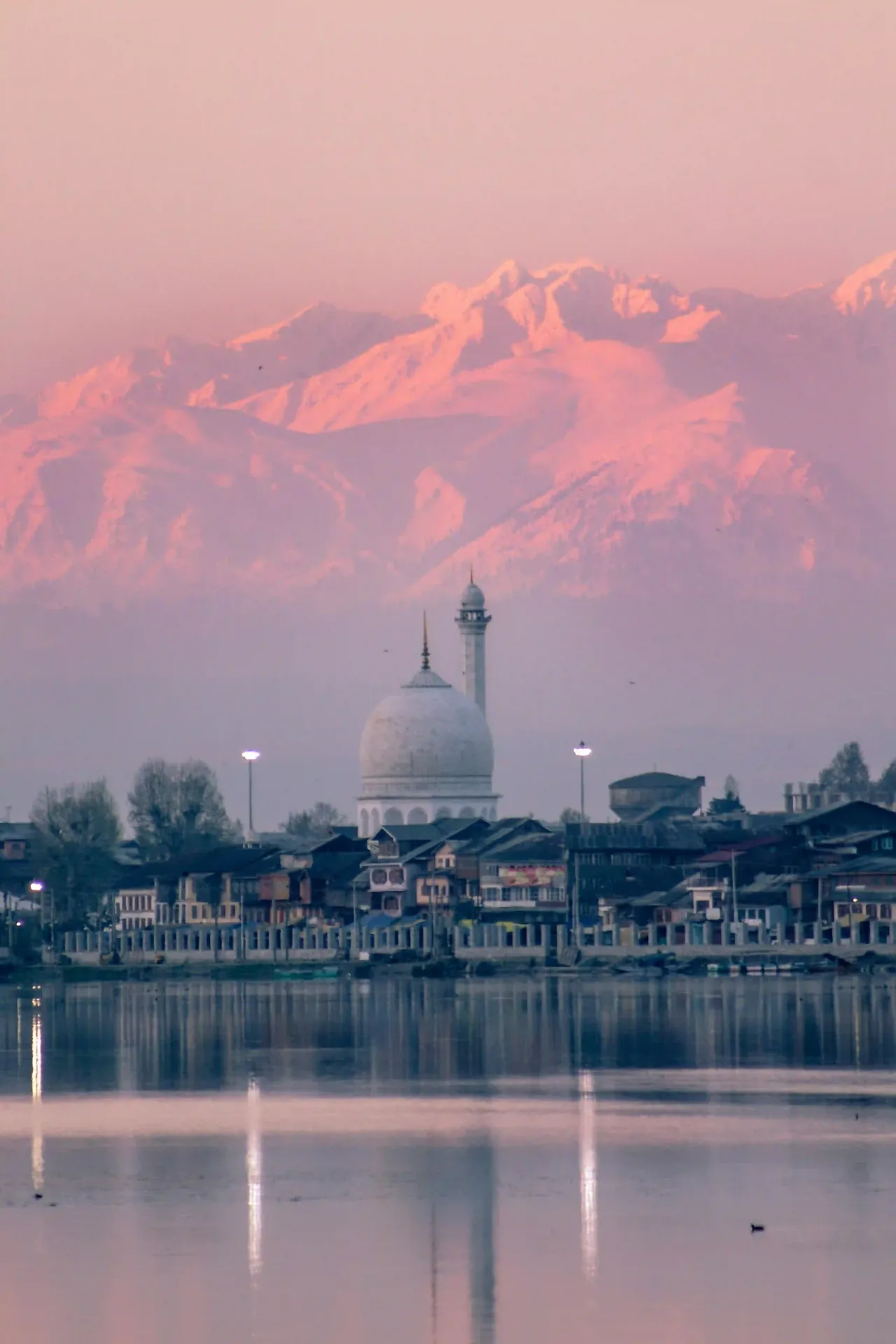
Kashmir Paradise Escape — Dal Lake shikara at sunrise with the Zabarwan mountains and Mughal Gardens reflected in the still water
Day Highlights
Lo Mejor del Día
  • Dal Lake Shikara SunriseAmanecer en Shikara en el Dal
  • Nishat & Shalimar Mughal GardensJardines Mogoles Nishat y Shalimar
  • Pashmina & Carpet AteliersTalleres de Pashmina y Alfombras
  • Old Srinagar & Sufi ShrineSrinagar Antiguo y Santuario Sufí
Dal Lake ShikaraPrivate sunrise ride
Shikara en el DalPaseo privado al amanecer
🍀
Mughal GardensNishat & Shalimar entry
Jardines MogolesEntrada Nishat y Shalimar
🚘
AC Vehicle All DayPrivate door-to-door
Vehículo AC Todo el DíaPrivado puerta a puerta
🧭
Licensed GuidePan-India IITG certified
Guía CertificadoIITG oficial panindiano
Full Day7 AM – 6 PM
Día Completo7:00 – 18:00 h

One Day Inside Four Centuries of Paradise

Un Día Dentro de Cuatro Siglos de Paraíso

Kashmir is not one story — it is at minimum four, each written on top of the last: the ancient Hindu and Buddhist kingdoms, the Sultanate era that gave the valley its Persian literary and garden traditions, the Mughal court seasons that built the world’s greatest formal gardens, and the 19th-century colonial era that produced the houseboat. This itinerary moves through all of them in a single extraordinary day — on the water, in the gardens, through the old city lanes, and inside the workshops where the finest hand-knotted carpets and pashmina shawls on earth are still being made.

Cachemira no es una sola historia — son como mínimo cuatro, cada una escrita encima de la anterior: los antiguos reinos hindúes y budistas, la era del Sultanato que dio al valle sus tradiciones literarias y de jardinería persas, las temporadas de la corte mogola que construyeron los mejores jardines formales del mundo, y la era colonial del siglo XIX que produjo la casa flotante. Este itinerario recorre todas ellas en un día extraordinario — en el agua, en los jardines, por los callejones de la ciudad antigua y dentro de los talleres donde todavía se fabrican las mejores alfombras anudadas a mano y los chal de pashmina de la Tierra.

01
Dawn · 7:00 AM
Amanecer · 7:00 AM
Dal Lake Shikara — The Sunrise on the Water
Lago Dal en Shikara — El Amanecer sobre el Agua
We begin before the valley wakes. A private shikara — the elegantly carved wooden gondola of Dal Lake, painted in the bright lacquer colours that have defined Kashmir’s water-craft tradition for centuries — departs from the main ghat as the sun clears the Zabarwan Mountains and throws its first horizontal light across 18 square kilometres of still water. The lake’s floating gardens — called “rad” — are islands of woven vegetation that the lake’s resident community of water-farmers has been cultivating for over five centuries, growing lotus, water chestnuts, cucumbers, and tomatoes on platforms anchored to the lake bed. The surrounding panorama — the mountains, the chinar-lined Mughal garden terraces to the north, the houseboats in their rows of teak and cedar, the mosque minarets catching the first light — is the image that the Emperor Jahangir saw from his royal barge and refused to unsee for the rest of his reign. Kamran narrates the full history of the lake — its ancient name, Satisar; the mythological account of how the valley was drained from a primordial lake by the sage Kashyapa; and the political economy of the floating garden community that has survived every change of ruler for five hundred years.
Comenzamos antes de que el valle despierte. Un shikara privado — la gonóndola de madera elegantemente tallada del lago Dal, pintada en los brillantes colores lacados que han definido la tradición artesanal acuática de Cachemira durante siglos — parte del ghat principal cuando el sol supera las montañas Zabarwan y proyecta su primera luz horizontal sobre 18 kilómetros cuadrados de agua quieta. Los jardines flotantes del lago — llamados “rad” — son islas de vegetación tejida que la comunidad residente de agricultores acuáticos del lago lleva cultivando durante más de cinco siglos, produciendo loto, castañas de agua, pepinos y tomates en plataformas ancladas al fondo del lago. El panorama circundante — las montañas, las terrazas de los jardines mogoles bordeadas de chinar al norte, las casas flotantes en sus filas de teca y cedro, los minaretes de las mezquitas atrapando la primera luz — es la imagen que el Emperador Jahangir vio desde su barca real y se negó a dejar de ver durante el resto de su reinado. Kamran narra la historia completa del lago — su nombre antiguo, Satisar; el relato mitológico de cómo el sabio Kashyapa drenó el valle de un lago primordial; y la economía política de la comunidad de jardines flotantes que ha sobrevivido a cada cambio de gobernante durante quinientos años.
Shikara Included · Floating Gardens Shikara Incluido · Jardines Flotantes
02
Morning · 8:30 AM
Mañana · 8:30 AM
Hotel Pickup & Kashmir Briefing
Recogida en Hotel e Introducción a Cachemira
After the shikara, we return to the ghat and transfer to the private AC vehicle. En route to the Mughal Gardens, Kamran gives the comprehensive historical briefing that makes everything which follows intelligible: the sequence of Kashmir’s rulers and what each contributed — the Shah Mir Sultanate and the arrival of Persian Sufi culture in the 14th century; the Mughals and their sixteen seasons of garden-building in the 16th and 17th centuries; the Sikh Empire and the Dogra Maharajas of the 18th and 19th centuries; the British Raj and the houseboat era that arose from the colonial prohibition on foreigners owning land in Kashmir; and the political complexity of Kashmir’s post-Independence history that continues to shape daily life today. This briefing is essential: without it, the gardens are beautiful. With it, they are one of the most articulate statements of imperial ambition ever made in stone and running water.
Después del shikara, regresamos al ghat y nos trasladamos al vehículo AC privado. De camino a los Jardines Mogoles, Kamran da la introducción histórica completa que hace inteligible todo lo que sigue: la secuencia de los gobernantes de Cachemira y lo que cada uno aportó — el Sultanato Shah Mir y la llegada de la cultura sufí persa en el siglo XIV; los mogoles y sus dieciséis temporadas de construcción de jardines en los siglos XVI y XVII; el Imperio Sij y los Maharajás Dogra de los siglos XVIII y XIX; el Raj británico y la era de las casas flotantes que surgió de la prohibición colonial a los extranjeros de poseer tierras en Cachemira; y la complejidad política de la historia de Cachemira tras la Independencia que continúa modelando la vida cotidiana hoy. Esta introducción es esencial: sin ella, los jardines son hermosos. Con ella, son una de las declaraciones más articuladas de ambición imperial jamás realizadas en piedra y agua corriente.
Private Pickup · Historical Foundations Recogida Privada · Bases Históricas
03
Morning · 9:30 AM
Mañana · 9:30 AM
Nishat Bagh — The Garden of Delight
Nishat Bagh — El Jardín del Deleite
Nishat Bagh — the “Garden of Delight” — was laid out on the eastern shore of Dal Lake by Asaf Khan, the brother-in-law of the Emperor Jahangir, in 1633. It is the largest Mughal garden in Kashmir and the second largest in the Indian subcontinent after the Shalimar Bagh in Lahore. The garden rises in twelve terraces — corresponding to the twelve signs of the zodiac — from the lake shore to the base of the Zabarwan Mountains, with a central axis of stone water channels, fountains, and cascading streams carrying water down from the mountain springs above. The chinar trees that line the terraces — the oriental plane, whose five-pointed leaf is the definitive symbol of Kashmir and whose crimson autumn colour gave the valley its reputation as the most beautiful place in Asia — were planted in the 17th century and are now among the largest specimen trees in India. Kamran explains the precise Persian design principles behind the Chahar Bagh (four-garden) layout: the four channels of water representing the four rivers of paradise described in both the Quran and the ancient Persian cosmological tradition.
Nishat Bagh — el “Jardín del Deleite” — fue trazado en la orilla este del lago Dal por Asaf Khan, cuñado del Emperador Jahangir, en 1633. Es el mayor jardín mogol de Cachemira y el segundo mayor del subcontinente indio después del Shalimar Bagh de Lahore. El jardín asciende en doce terrazas — correspondientes a los doce signos del zodiaco — desde la orilla del lago hasta la base de las montañas Zabarwan, con un eje central de canales de agua en piedra, fuentes y arroyos en cascada que llevan agua desde los manantiales de montaña de arriba. Los árboles chinar que bordean las terrazas — el plátano oriental, cuya hoja de cinco puntas es el símbolo definitivo de Cachemira y cuyo color otoñal carmesí otorgó al valle su reputación de lugar más hermoso de Asia — fueron plantados en el siglo XVII y son ahora algunos de los árboles especímen más grandes de la India. Kamran explica los principios de diseño persa precisos detrás del trazado Chahar Bagh (jardín de cuatro partes): los cuatro canales de agua que representan los cuatro ríos del paraíso descritos tanto en el Corán como en la antigua tradición cosmológica persa.
Entry Included · Built 1633 Entrada Incluida · Construido en 1633
04
Morning · 10:45 AM
Mañana · 10:45 AM
Shalimar Bagh — The Abode of Love
Shalimar Bagh — La Morada del Amor
Shalimar Bagh — whose name is variously translated as “Abode of Love,” “Garden of Bliss,” and “House of Joy” — was built by the Emperor Jahangir for his beloved wife and empress, Nur Jahan, in 1619. It is the supreme expression of the Mughal garden tradition in Kashmir: four interconnected terraces on the northern shore of Dal Lake, each designed for a specific imperial function — the outer garden for public audience, the middle terrace for private royal use, the inner pavilion for the emperor himself, and the zenana garden for the ladies of the court, enclosed by walls so high that the interior was invisible from outside. The central black marble pavilion, surrounded by a raised water channel and a ring of fountains, is where Jahangir and Nur Jahan held court during the summer months. Kamran explains the extraordinary significance of Nur Jahan in Mughal history — the only empress whose name appeared on imperial coins, who effectively co-governed the empire for fifteen years — and how Shalimar, built as a declaration of love, became instead one of the most politically charged gardens in Indian history.
Shalimar Bagh — cuyo nombre se traduce de diversas maneras como “Morada del Amor”, “Jardín de la Dicha” y “Casa de la Alegría” — fue construido por el Emperador Jahangir para su amada esposa y emperatriz, Nur Jahan, en 1619. Es la expresión suprema de la tradición del jardín mogol en Cachemira: cuatro terrazas interconectadas en la orilla norte del lago Dal, cada una diseñada para una función imperial específica — el jardín exterior para audiencia pública, la terraza central para uso real privado, el pabellón interior para el propio emperador, y el jardín del zenana para las damas de la corte, rodeado de muros tan altos que el interior era invisible desde fuera. El pabellón central de mármol negro, rodeado de un canal de agua elevado y un anillo de fuentes, es donde Jahangir y Nur Jahan celebraban su corte durante los meses de verano. Kamran explica la extraordinaria importancia de Nur Jahan en la historia mogola — la única emperatriz cuyo nombre apareció en las monedas imperiales, que efectivamente cogobernó el imperio durante quince años — y cómo Shalimar, construido como declaración de amor, se convirtió en cambio en uno de los jardines políticamente más cargados de la historia india.
Entry Included · Built for Nur Jahan 1619 Entrada Incluida · Construido para Nur Jahan 1619
05
Midday · 12:30 PM
Mediodía · 12:30 PM
Kashmiri Wazwan Lunch
Almuerzo Wazwan Cachemirí
Lunch at a carefully selected Kashmiri restaurant in Srinagar serving traditional Wazwan — the 36-course ceremonial feast of Kashmir that is one of the most extraordinary culinary traditions in Asia. You will not eat all 36 courses; Kamran selects a curated set of the essential dishes: rogan josh (slow-braised lamb in a gravy of Kashmiri red chillies, fennel, and dried ginger that produces the defining red of the Kashmir kitchen), gushtaba (minced lamb meatballs cooked in a white yoghurt and spice gravy, considered the royal dish of the Wazwan and always served last at ceremonial feasts), yakhni (lamb in a yoghurt and cardamom sauce so delicate it tastes unlike any other Indian preparation), and tabak maaz (crispy rib preparation flash-fried after slow-cooking). With it: Kashmiri rice and sheer chai — the distinctive pink salt tea made with Gunpowder tea leaves, baking soda, and milk, whisked to its characteristic rose colour in a samavar. Kamran explains the Persian and Central Asian culinary inheritance that separates Kashmiri cuisine from every other regional Indian kitchen. Lunch costs are paid directly at the restaurant.
Almuerzo en un restaurante cachemirí cuidadosamente seleccionado en Srinagar que sirve Wazwan tradicional — el banquete ceremonial de 36 platos de Cachemira que es una de las tradiciones culinarias más extraordinarias de Asia. No comerás los 36 platos; Kamran selecciona un conjunto curado de los platos esenciales: rogan josh (cordero estofado lentamente en una salsa de guindillas rojas cachemiríes, hinojo y jengibre seco que produce el rojo definitivo de la cocina de Cachemira), gushtaba (albóndigas de cordero picado cocinadas en una salsa blanca de yogur y especias, considerado el plato real del Wazwan y siempre servido último en los banquetes ceremoniales), yakhni (cordero en salsa de yogur y cardamomo tan delicada que sabe diferente a cualquier otra preparación india) y tabak maaz (preparación de costillas crujientes fritas rápidamente tras una cocción lenta). Con ello: arroz cachemirí y sheer chai — el distintivo té salado rosa elaborado con hojas de té pólvora, bicarbonato y leche, batido hasta su característico color rosa en un samavar. Kamran explica la herencia culinaria persa y centroasiática que separa la cocina cachemirí de todas las demás cocinas regionales indias. El coste del almuerzo se paga directamente en el restaurante.
Heritage Restaurant · Wazwan Tradition · Lunch Not Included Restaurante Histórico · Tradición Wazwan · Almuerzo No Incluido
06
Afternoon · 2:00 PM
Tarde · 14:00 h
Pashmina & Carpet Atelier Visits
Visitas a Talleres de Pashmina y Alfombras
Kashmir produces the two most technically demanding luxury textile traditions in the world: hand-knotted pile carpets and hand-woven pashmina. We visit both in working ateliers — not showrooms, not retail shops, but the actual workshops where the craft is being made. At the carpet atelier, you watch a master karigar (craftsman) tying individual knots onto a vertical warp at a rate of approximately 2,000 knots per day — meaning a medium-sized carpet of 400 knots per square inch takes upwards of eighteen months to complete. Kamran teaches you to count knots per square inch as the primary quality indicator, to test pile depth by running a finger against the direction of the pile, and to distinguish the specific colour characteristics of vegetable dyes (mellow, slightly uneven, deepening with age) from synthetic dyes (flat, uniform, fading over time). At the pashmina atelier, you handle raw pashm — the ultra-fine undercoat of the Changthangi goat, collected at 4,500 metres altitude in the Changthang Plateau of Ladakh — and watch the spinning, dyeing, and hand-weaving process on a traditional loom. Kamran explains how to verify genuine pashmina: the burn test, the hand-feel test, and the ring test (a genuine pashmina shawl passes completely through a standard finger ring). All artisan visits are zero-commission — Kamran receives no payment from any purchase made.
Cachemira produce las dos tradiciones de textil de lujo técnicamente más exigentes del mundo: alfombras de pelo anudadas a mano y pashmina tejida a mano. Visitamos ambas en talleres en activo — no salas de exposición, no tiendas, sino los talleres reales donde se fabrica la artesanía. En el taller de alfombras, observas a un karigar maestro (artesano) anudando nudos individuales en una urdimbre vertical a una velocidad de aproximadamente 2.000 nudos al día — lo que significa que una alfombra de tamaño mediano de 400 nudos por pulgada cuadrada tarda más de dieciocho meses en completarse. Kamran te enseña a contar nudos por pulgada cuadrada como indicador de calidad primario, a comprobar la profundidad del pelo pasando un dedo contra la dirección del mismo, y a distinguir las características de color específicas de los tintes vegetales (suaves, ligeramente irregulares, que se profundizan con la edad) de los sintéticos (planos, uniformes, que se desvanecen con el tiempo). En el taller de pashmina, manipulas el pashm en bruto — el pelaje interior ultrafino de la cabra Changthangi, recogido a 4.500 metros de altitud en la meseta Changthang de Ladakh — y observas el proceso de hilado, teñido y tejido a mano en un telar tradicional. Kamran explica cómo verificar la pashmina genuina: la prueba de combustión, la prueba táctil y la prueba del anillo (un chal de pashmina genuino pasa completamente por un anillo de dedo estándar). Todas las visitas a artesanos son sin comisiones — Kamran no recibe ningún pago por ninguna compra realizada.
Zero-Commission · Live Demonstrations Sin Comisiones · Demostraciones en Vivo
07
Afternoon · 3:30 PM
Tarde · 15:30 h
Old Srinagar — Shah-e-Hamdan Shrine & the Wooden Mosques
Srinagar Antiguo — Santuario Shah-e-Hamdan y las Mezquitas de Madera
The old city of Srinagar on the banks of the Jhelum River is one of the least-visited and most architecturally extraordinary urban environments in India. The Khanqah-e-Moula — popularly known as the Shah-e-Hamdan Mosque, dedicated to the Persian Sufi saint Mir Syed Ali Hamadani who arrived in Kashmir from Hamadan in Iran in 1372 and is credited with bringing Islam, Persian literature, and the entire craft tradition of papier-mâché and carpet-weaving to the valley — is the most significant single building in the history of Kashmiri Islam. Built entirely from deodar cedar without a single nail or metal fastener, using the interlocking woodwork technique called Khatamband, its interior ceiling is an extraordinary example of the Persian geometric pattern-making tradition applied to wood at an altitude of 1,600 metres. The surrounding old city lanes — the bread bazaar, the metal-workers’ quarter, the wood-carvers’ district — have survived largely unchanged from the 16th century. Kamran walks you through each, explaining the guild system that organised medieval Kashmiri craft production and the Persian urban planning principles visible in the layout of the old city.
La ciudad antigua de Srinagar a orillas del río Jhelum es uno de los entornos urbanos menos visitados y arquitectónicamente más extraordinarios de la India. La Khanqah-e-Moula — popularmente conocida como la Mezquita Shah-e-Hamdan, dedicada al santo sufí persa Mir Syed Ali Hamadani que llegó a Cachemira desde Hamadan en Irán en 1372 y al que se atribuye haber llevado el Islam, la literatura persa y toda la tradición artesanal del papel maché y el tejido de alfombras al valle — es el edificio individual más significativo de la historia del islam cachemirí. Construido íntegramente en cedro deodar sin un solo clavo ni sujetador metálico, utilizando la técnica de carpintería entrelazada llamada Khatamband, su techo interior es un extraordinario ejemplo de la tradición persa de creación de patrones geométricos aplicada a la madera a 1.600 metros de altitud. Los callejones de la ciudad antigua circundante — el bazar del pan, el barrio de los metalistas, el distrito de los talladores de madera — han sobrevivido en gran parte inalterados desde el siglo XVI. Kamran te conduce por cada uno de ellos, explicando el sistema gremial que organizó la producción artesanal medieval cachemirí y los principios de planificación urbana persa visibles en el trazado de la ciudad antigua.
Sufi Heritage · Khatamband Architecture · Since 1395 Patrimonio Sufí · Arquitectura Khatamband · Desde 1395
08
Late Afternoon · 4:45 PM
Última Tarde · 16:45 h
Shankaracharya Temple — The Hindu Antiquity of Kashmir
Templo Shankaracharya — La Antigüedad Hindú de Cachemira
Before there were Mughal gardens or Persian shrines, before the Sultanate and before Islam, Kashmir was one of the great centres of Hindu and Buddhist scholarship in Asia. The Shankaracharya Temple — dedicated to the god Shiva and positioned on a volcanic basalt peak called Takht-e-Suleiman (the Throne of Solomon) rising 300 metres above Srinagar — is believed to be the oldest active place of Hindu worship in the Kashmir Valley, with the original structure dating to the 3rd century BCE and the present temple rebuilt in the 9th century CE by the reformer Adi Shankaracharya, whose name it bears. The 243 stone steps that ascend the peak offer increasingly dramatic views of the entire Dal Lake — the gardens, the houseboats, the old city, and the ring of mountains that contains the valley — and at the top, as the afternoon light falls across the water, the full geographical argument for Jahangir’s famous comparison becomes visually self-evident. Kamran explains the ancient Shaivite tradition of Kashmir, its relationship to the Kashmiri Pandit community, and the specific theological significance of the Shiva linga housed in the temple sanctum.
Antes de que hubiera jardines mogoles o santuarios persas, antes del Sultanato y antes del Islam, Cachemira era uno de los grandes centros de erudición hindú y budista de Asia. El Templo Shankaracharya — dedicado al dios Shiva y situado en un pico de basalto volcánico llamado Takht-e-Suleiman (el Trono de Salomón) que se eleva 300 metros sobre Srinagar — se cree que es el lugar de culto hindú activo más antiguo del Valle de Cachemira, con la estructura original datada en el siglo III a.C. y el templo actual reconstruido en el siglo IX d.C. por el reformador Adi Shankaracharya, cuyo nombre lleva. Los 243 escalones de piedra que ascienden al pico ofrecen vistas cada vez más dramáticas de todo el lago Dal — los jardines, las casas flotantes, la ciudad antigua y el anillo de montañas que contiene el valle — y en la cima, cuando la luz de la tarde cae sobre el agua, el argumento geográfico completo para la famosa comparación de Jahangir se hace visualmente evidente por sí mismo. Kamran explica la antigua tradición shaivita de Cachemira, su relación con la comunidad Pandit cachemirí y el significado teológico específico del linga de Shiva alojado en el sanctum del templo.
3rd Century BCE Origin · Panoramic Dal Lake Views Origen Siglo III a.C. · Vistas Panorámicas del Lago Dal
09
Evening · 6:00 PM
Tarde-Noche · 18:00 h
Hotel Drop-off & Kamran’s Personal Kashmir List
Regreso al Hotel y Lista Personal de Cachemira de Kamran
Your private vehicle returns you to your Srinagar hotel or houseboat. Before you part, Kamran gives you his personal written recommendations for Kashmir — the best Wazwan restaurant for dinner that evening, the specific papier-mâché atelier in the old city where the craft is still being made by the sixth generation of the same family, the Hazratbal Mosque on the northern shore of Dal Lake (which houses a hair of the Prophet Muhammad, making it the most sacred Islamic site in Kashmir), the market in Maharajgunj where Kashmiri saffron — the most expensive spice in the world by weight — can be purchased directly from growers at fair price, and the specific viewpoints on the lake’s edge where the mountain reflection is clearest at dawn. If you are extending your stay, Kamran also advises on Gulmarg (the highest cable car in Asia, with views across to K2 and Nanga Parbat), Pahalgam and the Lidder River Valley, and the Naranag temple ruins in the Sind Valley.
Tu vehículo privado te devuelve a tu hotel o casa flotante de Srinagar. Antes de despedirse, Kamran te entrega sus recomendaciones personales escritas para Cachemira — el mejor restaurante Wazwan para cenar esa tarde, el atelier específico de papel maché en la ciudad antigua donde la artesanía aún la elabora la sexta generación de la misma familia, la Mezquita Hazratbal en la orilla norte del lago Dal (que alberga un cabello del Profeta Mahoma, convirtién-dola en el lugar islámico más sagrado de Cachemira), el mercado de Maharajgunj donde el azafrán cachemirí — la especia más cara del mundo por peso — puede adquirirse directamente de los cultivadores a precio justo, y los miradores específicos a orillas del lago donde el reflejo de las montañas es más claro al amanecer. Si prolongas tu estancia, Kamran también asesora sobre Gulmarg (el teleférico de mayor altitud de Asia, con vistas sobre K2 y Nanga Parbat), Pahalgam y el Valle del Río Lidder, y las ruinas del templo de Naranag en el Valle del Sind.
Hotel Drop-off · Personal Recommendations Regreso al Hotel · Recomendaciones Personales

Inclusions & Exclusions

Inclusiones y Exclusiones

✅ Package Inclusions✅ El Paquete Incluye

  • Private Shikara Ride on Dal Lake:Paseo Privado en Shikara por el Lago Dal: A private shikara (traditional Kashmiri wooden boat) at sunrise, covering the floating gardens and the full lake panorama. Duration approximately 60–90 minutes depending on conditions.Un shikara privado (barca de madera tradicional cachemirí) al amanecer, cubriendo los jardines flotantes y el panorama completo del lago. Duración aproximada de 60–90 minutos según las condiciones.
  • Private AC Vehicle All Day:Vehículo AC Privado Todo el Día: Full-day private air-conditioned transportation with a professional driver covering all road transfers between sites across Srinagar and the lake shore.Transporte privado con aire acondicionado durante todo el día con conductor profesional, cubriendo todos los traslados en carretera entre los sitios de Srinagar y la orilla del lago.
  • Hotel or Houseboat Pickup & Drop-off:Recogida y Regreso en Hotel o Casa Flotante: Door-to-door service from and to your Srinagar hotel or any houseboat on Dal Lake.Servicio puerta a puerta desde y hasta tu hotel de Srinagar o cualquier casa flotante del lago Dal.
  • Mughal Garden Entry Tickets:Entradas a los Jardines Mogoles: Entry tickets to Nishat Bagh and Shalimar Bagh fully covered.Entradas a Nishat Bagh y Shalimar Bagh completamente cubiertas.
  • Pashmina & Carpet Atelier Visits:Visitas a Talleres de Pashmina y Alfombras: Access to working craft ateliers with live demonstrations of hand-knotted carpet weaving and pashmina spinning and weaving. Zero-commission: Kamran receives no payment from any purchase made.Acceso a talleres artesanales en activo con demostraciones en vivo del tejido de alfombras anudadas a mano y del hilado y tejido de pashmina. Sin comisiones: Kamran no recibe ningún pago por ninguna compra realizada.
  • Government Licensed Bilingual Guide:Guía Bilingüe con Licencia Oficial: Full-day service by Kamran Khan in English and Spanish. Pan-India IITG licence. Expert in Mughal garden history, Islamic architecture, Kashmiri craft traditions, and Sufi heritage.Servicio de día completo de Kamran Khan en inglés y español. Licencia IITG panindiana. Experto en historia de jardines mogoles, arquitectura islámica, tradiciones artesanales cachemiríes y patrimonio sufí.
  • Kahwa Kashmiri Tea:Té Cachemirí Kahwa: Traditional Kashmiri kahwa — green tea brewed with saffron, cardamom, cinnamon, and rose petals in a copper samavar — served during the craft atelier visits.Kahwa cachemirí tradicional — té verde elaborado con azafrán, cardamomo, canela y pétalos de rosa en un samavar de cobre — servido durante las visitas a los talleres artesanales.
  • Water & Refreshments En Route:Agua y Refrescos en Ruta: Mineral water and light refreshments throughout the day in the vehicle.Agua mineral y refrescos ligeros durante todo el día en el vehículo.
  • Kamran’s Personal Kashmir Recommendations:Recomendaciones Personales de Kamran para Cachemira: Written list of Kamran’s personal favourites — restaurants, saffron markets, papier-mâché ateliers, lake viewpoints, and day-trip destinations for further exploration.Lista escrita de los favoritos personales de Kamran — restaurantes, mercados de azafrán, talleres de papel maché, miradores del lago y destinos para excursiones de un día para seguir explorando.

✕ Package Exclusions✕ El Paquete Excluye

  • Lunch:Almuerzo: Meal costs at the selected Wazwan restaurant are not included. Kamran chooses the venue for quality and authenticity; you pay directly. Budget approximately ₹600–1,200 per person for a curated Wazwan selection with sheer chai.El coste del almuerzo en el restaurante Wazwan seleccionado no está incluido. Kamran elige el local por calidad y autenticidad; se paga directamente. Presupuesto aproximado de ₹600–1.200 por persona para una selección Wazwan curada con sheer chai.
  • Shankaracharya Temple Entry:Entrada al Templo Shankaracharya: A nominal entry fee (approximately ₹50 for foreign nationals) is charged at the temple base. Paid directly at the site. The climb itself requires no fee.Se cobra una tarifa de entrada nominal (aproximadamente ₹50 para ciudadanos extranjeros) en la base del templo. Se paga directamente en el lugar. La subida en sí no requiere ningún coste.
  • Personal Purchases:Compras Personales: Carpets, pashmina, papier-mâché, saffron, and any other purchases are entirely at your discretion and paid directly to artisans or vendors. Zero commission is received by Kamran.Las alfombras, la pashmina, el papel maché, el azafrán y cualquier otra compra son completamente a tu discreción y se pagan directamente a artesanos o vendedores. Kamran no recibe ninguna comisión.
  • Travel to & from Srinagar:Viaje hacia y desde Srinagar: Flights or other transport to reach Srinagar are not included. Kamran can advise on the best flight connections from Delhi or other cities when you book via WhatsApp.Los vuelos u otro transporte para llegar a Srinagar no están incluidos. Kamran puede asesorar sobre las mejores conexiones de vuelo desde Delhi u otras ciudades al reservar por WhatsApp.
  • Houseboat Accommodation:Alojamiento en Casa Flotante: If you are not already staying on a houseboat and wish to arrange one, Kamran can recommend trusted operators. Houseboat accommodation is not included in the tour price but is available as a separate arrangement.Si no te alojas ya en una casa flotante y deseas organizar una, Kamran puede recomendar operadores de confianza. El alojamiento en casa flotante no está incluido en el precio del tour, pero está disponible como acuerdo separado.
  • Gratuities:Propinas: Optional and entirely at your discretion for the driver, shikara operator, and guide.Opcionales y totalmente a tu criterio para el conductor, el operador del shikara y el guía.

What Makes This Different

Qué lo Hace Diferente

01
Four Civilisations, One Day
Cuatro Civilizaciones, Un Día
Ancient Hindu Kashmir (3rd century BCE), Persian-influenced Sultanate era (14th century), Mughal imperial court (17th century), and Victorian colonial legacy (19th century) — all visible and all connected in a single itinerary. Kamran makes each layer speak to the next.
La antigua Cachemira hindú (siglo III a.C.), la era del Sultanato de influencia persa (siglo XIV), la corte imperial mogola (siglo XVII) y el legado colonial victoriano (siglo XIX) — todos visibles y todos conectados en un solo itinerario. Kamran hace que cada capa hable a la siguiente.
02
Sunrise on the Lake
Amanecer sobre el Lago
The shikara at dawn — before the tourist boats appear, before the lake vendors begin their circuits — is the Kashmir that most visitors never experience. Still water, mountain reflections, floating gardens waking up. It is the image Jahangir described, and it is the opening note of the day.
El shikara al amanecer — antes de que aparezcan las barcas turísticas, antes de que los vendedores del lago comiencen sus circuitos — es la Cachemira que la mayoría de los visitantes nunca experimenta. Agua quieta, reflejos de montaña, jardines flotantes que despiertan. Es la imagen que Jahangir describió, y es la nota de apertura del día.
03
Craft Decoded, Not Just Seen
Artesanía Descifrada, No Solo Vista
The pashmina ring test, the carpet knot count, the vegetable dye burn test — Kamran gives you the tools to distinguish authentic from imitation before you spend a single rupee. Zero commission guarantees his advice is entirely in your interest.
La prueba del anillo de pashmina, el conteo de nudos de la alfombra, la prueba de combustión del tinte vegetal — Kamran te da las herramientas para distinguir el auténtico del falso antes de gastar una sola rupia. Cero comisiones garantiza que su consejo es completamente en tu interés.
04
The Old City No Guide Goes To
La Ciudad Antigua a la que Ningún Guía Va
The Shah-e-Hamdan shrine and the wooden mosque district of old Srinagar are off every standard tourist itinerary. The Khatamband ceiling alone — Persian geometric woodwork at 1,600 metres — is one of the most extraordinary architectural interiors in India. Most visitors to Kashmir leave without ever knowing it exists.
El santuario Shah-e-Hamdan y el barrio de las mezquitas de madera de la antigua Srinagar están fuera de todo itinerario turístico estándar. El techo Khatamband por sí solo — carpintería geométrica persa a 1.600 metros — es uno de los interiores arquitectónicos más extraordinarios de la India. La mayoría de los visitantes de Cachemira se marchan sin saber jamás que existe.
05
Bilingual English & Spanish
Bilingüe Inglés y Español
There is no other licensed bilingual English-Spanish guide operating in Kashmir. Spanish-speaking travellers experience the Mughal garden tradition, the Sufi heritage, the ancient Hindu temples, and the living craft culture of this extraordinary valley entirely in their own language, at full depth.
No hay ningún otro guía bilingüe con licencia inglés-español operando en Cachemira. Los hispanohablantes experimentan la tradición de los jardines mogoles, el patrimonio sufí, los antiguos templos hindúes y la cultura artesanal viva de este extraordinario valle íntegramente en su propio idioma, con toda su profundidad.
06
500+ Five-Star Reviews
Más de 500 Reseñas de 5 Estrellas
Verified reviews on Viator, GetYourGuide, and Airbnb from travellers across 40+ nationalities — all five stars. Read them before you book.
Reseñas verificadas en Viator, GetYourGuide y Airbnb de viajeros de más de 40 nacionalidades — todas de cinco estrellas. Léelas antes de reservar.

What Travellers Say

Lo que Dicen los Viajeros

Reviews from travellers across 40+ nationalities on Viator, GetYourGuide, and Airbnb.

Reseñas de viajeros de más de 40 nacionalidades en Viator, GetYourGuide y Airbnb.

Viator
★★★★★

“The sunrise shikara was the most beautiful hour of our entire India trip — and that is saying something. But what set Kamran apart was the Shah-e-Hamdan shrine in the old city. We would never have found it, would never have understood it, and would certainly never have known about the Khatamband ceiling without him. Kashmir is extraordinary. Kamran makes it intelligible.”

“El shikara al amanecer fue la hora más hermosa de todo nuestro viaje a la India — y eso es mucho decir. Pero lo que distinguió a Kamran fue el santuario Shah-e-Hamdan en la ciudad antigua. Nunca lo habríamos encontrado, nunca lo habríamos entendido, y desde luego nunca habríamos sabido del techo Khatamband sin él. Cachemira es extraordinaria. Kamran la hace inteligible.”

Susannah & Peter W.
Toronto, Canada
Toronto, Canadá
GetYourGuide
★★★★★

“I bought a carpet. This is not something I ever expected to do. Kamran’s explanation of the knot count, the dye test, and the difference between machine-made and hand-knotted meant that by the time we reached the atelier I actually knew what I was looking at. His zero-commission guarantee meant I trusted the advice completely. I bought a carpet I will have for the rest of my life. Worth every rupee.”

“Compré una alfombra. Esto no es algo que jamás esperara hacer. La explicación de Kamran sobre el recuento de nudos, la prueba del tinte y la diferencia entre fabricado a máquina y anudado a mano significó que cuando llegamos al taller ya sabía lo que estaba mirando. Su garantía de cero comisiones significó que confí completamente en el consejo. Compré una alfombra que tendré el resto de mi vida. Valió cada rupia.”

James F.
San Francisco, USA
San Francisco, EE.UU.
Airbnb
★★★★★

“Hicimos el tour íntegramente en español y fue absolutamente perfecto. La historia de Nur Jahan en Shalimar Bagh nos dejó sin palabras — ninguna guía de viaje nos había contado eso. La prueba del anillo de la pashmina funcionó exactamente como Kamran explicó. El Wazwan al mediodía fue la mejor comida del viaje. Un día perfecto en el valle más hermoso de la Tierra.”

“Hicimos el tour íntegramente en español y fue absolutamente perfecto. La historia de Nur Jahan en Shalimar Bagh nos dejó sin palabras — ninguna guía de viaje nos había contado eso. La prueba del anillo de la pashmina funcionó exactamente como Kamran explicó. El Wazwan al mediodía fue la mejor comida del viaje. Un día perfecto en el valle más hermoso de la Tierra.”

Carmen & Ignacio B.
Madrid, Spain
Madrid, España
ViatorTop Rated Experience
🌟
GetYourGuide5.0 · 200+ Reviews
🏠
AirbnbSuperhost Experience
🇿🇷
TripAdvisorCertificate of Excellence
🏢
IITG LicensedPan-India Govt. Certified

Practical Details

Información Práctica

Duration
Duración
Full Day — Approx. 11 Hours
Día Completo — Aprox. 11 Horas
7:00 AM (shikara departure) – 6:00 PM (hotel drop-off). The early start is essential to experience the lake before tourist activity begins. Guests staying on a houseboat board the shikara directly from their floating accommodation.
7:00 (salida en shikara) – 18:00 h (regreso al hotel). La salida temprana es esencial para experimentar el lago antes de que comience la actividad turística. Los huéspedes alojados en una casa flotante suben al shikara directamente desde su alojamiento flotante.
Group Size
Tamaño del Grupo
1 to 6 Persons
1 a 6 Personas
Entirely private. Larger groups on request. Note: the shikara is sized for up to 6 persons. Groups larger than 6 require a second shikara, arranged at additional cost.
Completamente privado. Grupos más grandes bajo petición. Nota: el shikara tiene capacidad para hasta 6 personas. Los grupos de más de 6 requieren un segundo shikara, organizado a coste adicional.
Languages
Idiomas
English & Spanish
Inglés y Español
Hindi and Urdu also available. Kamran communicates with local artisans and vendors in Kashmiri and Urdu, ensuring complete transparency in craft atelier negotiations and market interactions.
Hindi y urdu también disponibles. Kamran se comunica con artesanos y vendedores locales en cachemirí y urdu, garantizando total transparencia en las negociaciones en los talleres y las interacciones en el mercado.
Availability
Disponibilidad
April – November (Peak); Dec – March (Winter)
Abril – Noviembre (Alta); Dic – Marzo (Invierno)
Kashmir is a year-round destination. April–June is spring — wildflowers, clear skies, and the chinar coming into full leaf. July–August is warm and occasionally rainy. September–November is the most celebrated season: the chinar autumn colour transforms the gardens. December–March sees snowfall in the valley — the lake is dramatically beautiful and the gardens have their own winter atmosphere.
Cachemira es un destino para todo el año. Abril–junio es primavera — flores silvestres, cielos despejados y el chinar en plena hoja. Julio–agosto es cálido y ocasionalmente lluvioso. Septiembre–noviembre es la temporada más celebrada: el color otoñal del chinar transforma los jardines. Diciembre–marzo trae nevada al valle — el lago es dramáticamente hermoso y los jardines tienen su propia atmósfera invernal.
Meeting Point
Punto de Encuentro
Hotel or Houseboat Pickup — Srinagar / Dal Lake
Recogida en Hotel o Casa Flotante — Srinagar / Lago Dal
Share your hotel name or houseboat name and ghat location via WhatsApp. Kamran coordinates the shikara pickup directly and organises the full logistics of the day from your accommodation.
Comparte el nombre de tu hotel o casa flotante y la ubicación del ghat por WhatsApp. Kamran coordina la recogida en shikara directamente y organiza la logística completa del día desde tu alojamiento.
What to Bring
Qué Llevar
Items to Carry on the Day
Artículos para Llevar el Día del Tour
Essential items:Warm layer for the shikara — Dal Lake at dawn is significantly colder than the midday temperature, even in summer. A fleece or light down jacket is essential for the 7 AM departure on the water. In autumn and winter, a proper warm coat is required

Layered clothing for temperature swings — Srinagar at 1,600 metres has cool mornings and warm afternoons in spring and autumn. Plan to remove and add layers throughout the day. In summer, a light breathable layer is sufficient after 10 AM

Modest, respectful clothing — covered shoulders and knees required for the Shah-e-Hamdan shrine and the Shankaracharya Temple. This is strictly observed at both sites. Women are additionally required to cover their heads at the Shah-e-Hamdan shrine (a light scarf is sufficient)

Comfortable walking shoes with grip — the Shankaracharya Temple involves 243 stone steps, which can be worn smooth and slippery in wet weather. Avoid flip-flops or heeled shoes for this section

Cash in Indian Rupees (INR) — for lunch, the Shankaracharya entry fee, any saffron or papier-mâché purchases, and small temple donations. Most Kashmiri craft vendors and the saffron market operate primarily in cash. Budget ₹2,000–5,000+ depending on your interest in craft purchases

A notepad or notes app — Kamran will give you the knot-count figures, the pashmina ring test dimensions, and the specific names of the craft families and their workshops. Recording these ensures you can act on the information independently after the tour

Sunscreen and sunglasses — the Mughal gardens are fully exposed; the shikara on the lake reflects light strongly. Kashmir at altitude has intense UV even on overcast days

Rain layer or packable waterproof — mountain weather is unpredictable. A lightweight packable jacket takes no space and is essential insurance, particularly for the Shankaracharya climb

Smartphone or camera with extra battery — the shikara at sunrise, the chinar trees in the gardens, the Khatamband ceiling, the carpet atelier, and the view from Shankaracharya are among the most extraordinary photography opportunities in northern India. Bring a fully charged power bank; the day is long

An open budget for craft purchases — not an obligation, but advice: the craft atelier visits with Kamran’s guidance are the single best opportunity to buy genuinely authentic Kashmiri carpet or pashmina at fair price with complete confidence in quality. Most travellers who come intending only to look leave having bought something. Be prepared

A phone with WhatsApp active — Kamran manages all logistics via WhatsApp. Ensure roaming data is active before arrival. If you are on a local Indian SIM, share the number when booking
Artículos esenciales:Capa abrigada para el shikara — el lago Dal al amanecer es significativamente más frío que la temperatura de mediodía, incluso en verano. Un forro polar o una chaqueta ligera de plumón es esencial para la salida a las 7 AM sobre el agua. En otoño e invierno, se requiere un abrigo abrigado de verdad

Ropa por capas para los cambios de temperatura — Srinagar a 1.600 metros tiene mañanas frescas y tardes cálidas en primavera y otoño. Planifica añadir y quitar capas a lo largo del día. En verano, una capa ligera y transpirable es suficiente después de las 10 AM

Ropa modesta y respetuosa — hombros y rodillas cubiertos obligatorio en el santuario Shah-e-Hamdan y el Templo Shankaracharya. Esto se observa estrictamente en ambos lugares. Las mujeres también deben cubrirse la cabeza en el santuario Shah-e-Hamdan (un pañuelo ligero es suficiente)

Calzado cómodo para caminar con agarre — el Templo Shankaracharya implica 243 escalones de piedra, que pueden estar desgastados y resbaladizos en tiempo húmedo. Evita chanclas o zapatos con tacón para esta sección

Efectivo en Rupias Indias (INR) — para el almuerzo, la tarifa de entrada al Shankaracharya, cualquier compra de azafrán o papel maché y pequeñas ofrendas en los templos. La mayoría de los vendedores de artesanía cachemirí y el mercado de azafrán operan principalmente en efectivo. Presupuesta ₹2.000–5.000+ según tu interés en compras artesanales

Cuaderno o app de notas — Kamran te dará las cifras de recuento de nudos, las dimensiones de la prueba del anillo de pashmina y los nombres específicos de las familias artesanales y sus talleres. Registrarlos garantiza que puedas actuar con la información de forma independiente tras el tour

Protección solar y gafas de sol — los jardines mogoles están completamente expuestos; el shikara en el lago refleja la luz con intensidad. Cachemira en altitud tiene UV intenso incluso en días nublados

Capa impermeable o chubasquero plegable — el tiempo de montaña es impredecible. Una chaqueta plegable ligera no ocupa espacio y es un seguro esencial, especialmente para la subida al Shankaracharya

Smartphone o cámara con batería extra — el shikara al amanecer, los árboles chinar en los jardines, el techo Khatamband, el taller de alfombras y la vista desde el Shankaracharya están entre las oportunidades fotográficas más extraordinarias del norte de la India. Lleva una power bank completamente cargada; el día es largo

Un presupuesto abierto para compras artesanales — no una obligación, pero sí un consejo: las visitas a los talleres artesanales con la guía de Kamran son la mejor oportunidad única para comprar una alfombra cachemirí o pashmina genuinamente auténtica a precio justo con total confianza en la calidad. La mayoría de los viajeros que vienen con la intención solo de mirar se marchan habiendo comprado algo. Prepárate

Teléfono con WhatsApp activo — Kamran gestiona toda la logística por WhatsApp. Asegúrate de tener datos de itinerancia activos antes de llegar. Si tienes una SIM india local, comparte el número al reservar
Reserve Your Spot
Reserva tu Plaza
Kashmir: The Paradise Escape
Cachemira: La Fuga al Paraíso
  • Private shikara at sunrise on Dal Lake
  • Private AC vehicle all day
  • Hotel or houseboat pickup & drop-off
  • Nishat Bagh & Shalimar Bagh entry tickets
  • Pashmina & carpet atelier visits (zero commission)
  • Kahwa Kashmiri tea during atelier visits
  • Government-licensed bilingual guide
  • Shikara privado al amanecer en el lago Dal
  • Vehículo AC privado todo el día
  • Recogida y regreso en hotel o casa flotante
  • Entradas a Nishat Bagh y Shalimar Bagh
  • Visitas a talleres de pashmina y alfombras (sin comisión)
  • Té cachemirí Kahwa durante las visitas a talleres
  • Guía bilingüe con licencia oficial del gobierno
Book via WhatsApp Reservar por WhatsApp ← Back to Main Website ← Volver al Sitio Principal
Kamran Khan — Licensed Tour Guide Kashmir Paradise Escape
IITG Govt. Licensed Lic. Oficial

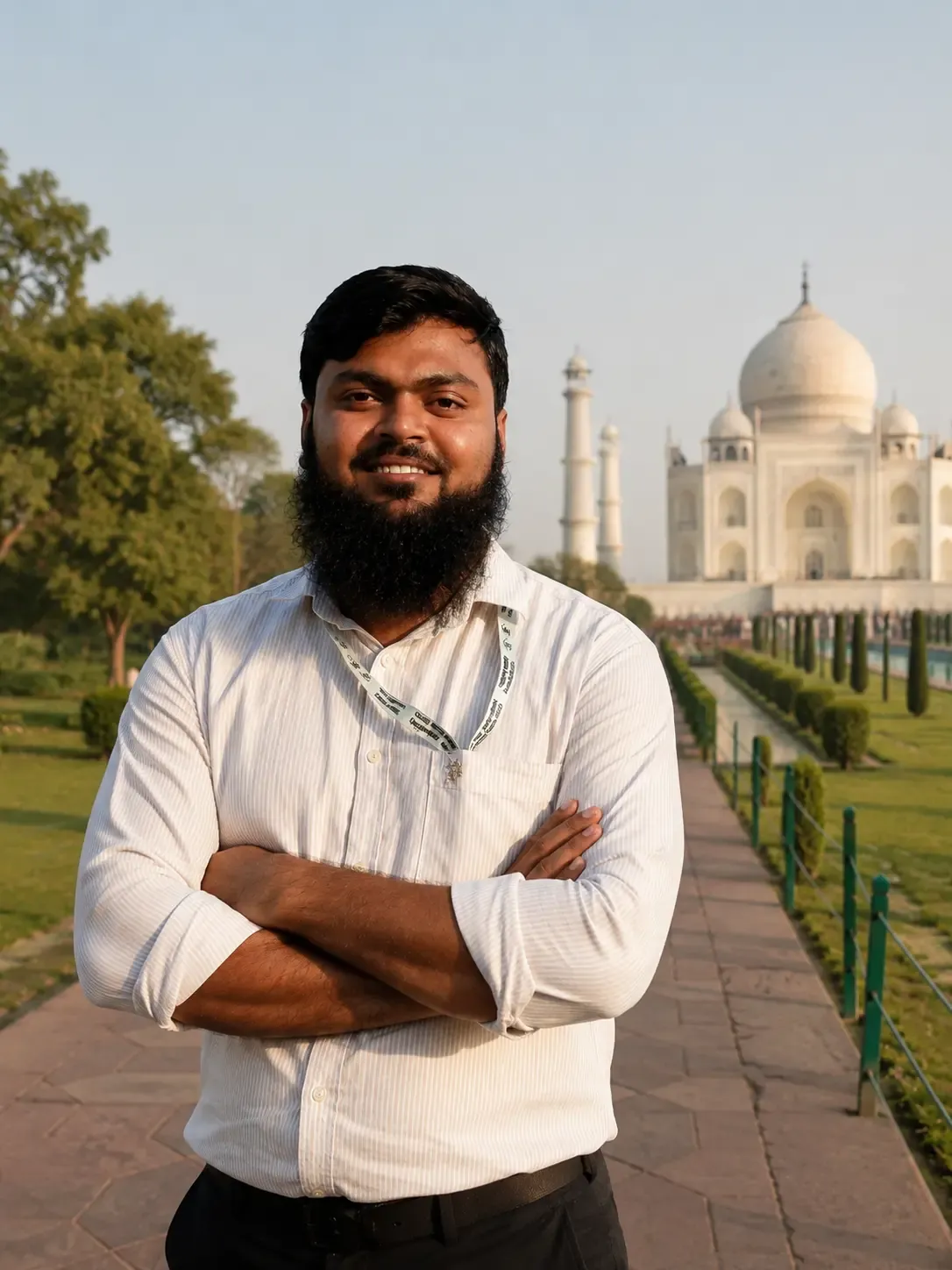
Kamran Khan

Jahangir visited Kashmir sixteen times. He was the most powerful man in the world and he had every garden, palace, and sea coast in the Mughal Empire available to him. He kept coming back here. I want you to understand why — not as a romantic sentiment, but as a precise geographic, political, and aesthetic argument that I can make visible to you in a single day on the lake and in the gardens and in the old city lanes.

Jahangir visitó Cachemira dieciséis veces. Era el hombre más poderoso del mundo y tenía a su disposición todos los jardines, palacios y costas del Imperio Mogol. Seguía volviendo aquí. Quiero que entiendas por qué — no como un sentimiento romántico, sino como un argumento geográfico, político y estético preciso que puedo hacerte visible en un solo día en el lago, en los jardines y en los callejones de la ciudad antigua.

I hold a Government Pan-India IITG licence — the highest certification in Indian tourism — and I have guided more than 500 tours across Kashmir, Delhi, and Rajasthan over more than a decade. My relationships with the carpet and pashmina families of Srinagar have been built over years. The weavers I take you to are the same families I have worked with for a decade. They know me and they respect the visitors I bring because they know I do not profit from what those visitors buy.

Poseo la licencia nacional IITG del Gobierno — la certificación más alta del turismo indio — y he guiado más de 500 tours por Cachemira, Delhi y Rajastán a lo largo de más de una década. Mis relaciones con las familias de alfombras y pashmina de Srinagar se han construido a lo largo de años. Los tejedores a los que te llevo son las mismas familias con las que he trabajado durante una década. Me conocen y respetan a los visitantes que les presento porque saben que no me beneficio de lo que esos visitantes compran.

The Shah-e-Hamdan shrine is not on any standard Kashmir tour. The Khatamband ceiling is not in any guidebook photograph. The floating garden community’s five-hundred-year history of continuous cultivation is not in any tourist briefing. Kashmir has been written about more than almost any place in India. It has been understood by almost nobody. That is what a guide is for.

El santuario Shah-e-Hamdan no está en ningún tour estándar de Cachemira. El techo Khatamband no aparece en ninguna fotografía de guía de viaje. La historia de quinientos años de cultivo continuo de la comunidad de jardines flotantes no aparece en ningún briefing turístico. Sobre Cachemira se ha escrito más que sobre casi ningún lugar de la India. La ha comprendido casi nadie. Para eso sirve un guía.

English Español हिन्दी اردو